
| Option | What guidance says | Planning use |
|---|---|---|
| Distilled or demineralised water | Recommended for wet cleaning, because tap water can contain minerals that leave residue | Use as the base for any wet clean. Never use tap water. |
| Low-alcohol or alcohol-free vinyl cleaner | Preferred over high-alcohol solutions | The simplest choice if you would rather not mix your own. |
| Mild dish soap in distilled water | 2-3 drops of mild dish soap to one cup of distilled water | A budget mix. Test it on a less valuable record first. |
| High-alcohol solutions, including high-concentration isopropyl alcohol | Can strip the protective coating and degrade the record over time | Avoid on any record you care about. |
| Bleach or acetone | Particularly destructive | Keep well away from records. |
| Paper towels, regular cloth or a standard brush | May scratch the surface | Use a microfibre cloth and an anti-static vinyl brush instead. |
Cleaning-solution guidance in this table follows a vinyl retailer’s cleaning guide and a record shop’s cleaning tips.
Here is how to clean vinyl records at home: dry-brush with a carbon fibre brush, wipe with a microfibre cloth dampened with a low-alcohol or distilled-water-based cleaner, then dry the record upright away from heat.
Cleaner records also make it easier to judge the rest of your system, and our hub’s advice on the best headphones for music is a sensible next stop once playback is sorted.
What a dirty record costs you
A dirty record costs you listening quality first. According to Rolling Stone’s record-cleaning guide, excessive crackles and pops, or an album that sounds fuzzy, usually mean the record is due for a proper cleaning.
The second cost comes from cleaning badly. Paper towels, regular cloth and standard brushes may scratch the surface, and high-alcohol solutions can strip the protective coating. Vinyl.com’s care guide adds that harsh chemicals such as alcohol and ammonia may seem to offer a quick fix for stubborn stains but can cause long-term damage. A quick, aggressive clean can therefore leave a record worse off than the dust did.
These costs point to a simple split between routine and occasional work:
- Routine dusting: a dry brush pass before and after each play keeps loose dust from building up.
- Occasional wet cleaning: reserve it for records that crackle, pop or sound fuzzy, or that you have just acquired.
- No shortcuts: do not reach for stronger chemicals because a stain is stubborn. The damage is the larger risk.
Choosing safe tools and solutions
A safe kit is small and inexpensive. Each item has a clear job, and swapping in a household substitute is where most damage starts.
- Carbon fibre brush: choose a good-quality anti-static record brush designed for vinyl. Carbon fibre is useful because it removes static while the bristles help remove dust, and soft bristles lift dust gently rather than grinding it in.
- Microfibre cloth: use a clean one. It carries the cleaning liquid so that the record itself is not oversaturated and the label is not soaked.
- Distilled water: it avoids the mineral residue that tap water can leave on the surface.
- Vinyl-safe cleaner: products labelled vinyl-safe are typically formulated with non-abrasive ingredients, which makes them a reasonable default over improvised mixes.
Can you use isopropyl alcohol on vinyl?
Isopropyl alcohol is the point where advice divides. High-concentration isopropyl alcohol is named among the particularly destructive substances to avoid, and high-alcohol solutions can strip the protective coating and degrade the record over time. A low-alcohol or alcohol-free solution is the safer category. Buying a ready-made product of that type is more dependable than guessing a dilution at the kitchen counter.
Test before you commit
Whatever you choose, try a new solution first on a less important record before using it on valuable or cherished ones. A mild dish soap mix in distilled water is a workable budget option, but it suits records you can afford to experiment on first.
The cleaning routine, step by step
Work through the sequence below in order. Dry brushing comes before any liquid, and drying comes before storage.
- Gather clean tools. You need an anti-static carbon fibre brush, a clean microfibre cloth, distilled water and a low-alcohol or alcohol-free cleaner.
- Test the solution. If it is new to you, try it on a less valuable record first.
- Dry-brush the record. Move the brush in the direction of the grooves, not across them, to lift dust and remove static.
- Dampen the cloth, not the record. Apply the cleaner onto the microfibre cloth to avoid oversaturating the surface or soaking the label.
- Wipe with the grooves. Follow the direction of the grooves and never wipe against them.
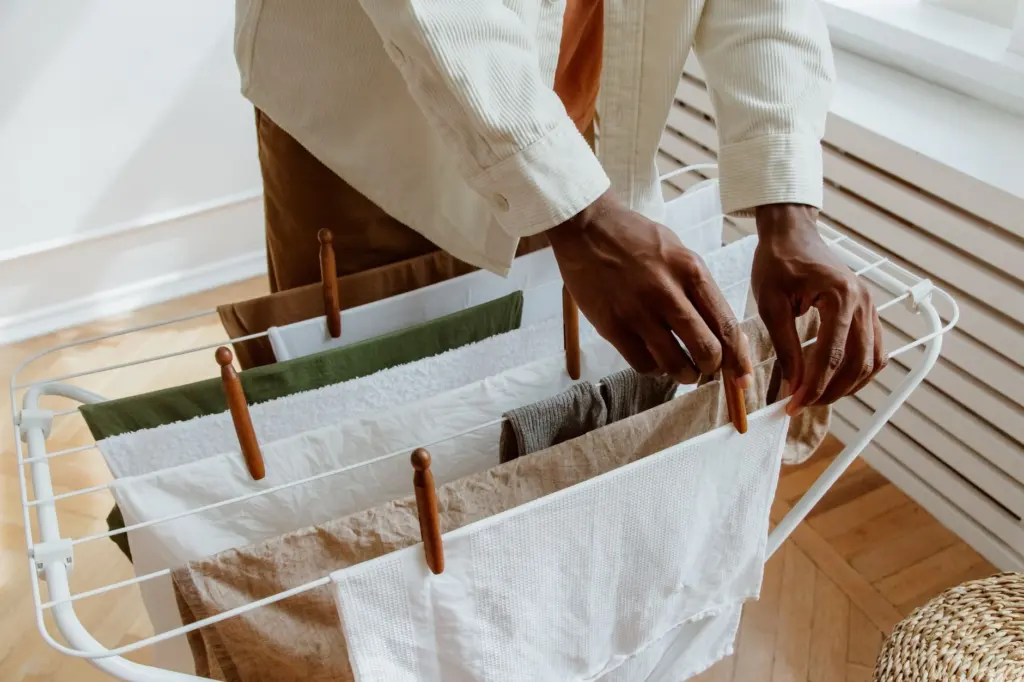
- Dry upright, away from heat. Stand the record on a clean drying rack designed for vinyl, and avoid direct sunlight and hair dryers. Let it air dry completely in a dust-free environment.
- Re-sleeve it. Slide the dry record into an anti-static inner sleeve, which protects it from dust, scratches and other damage.
The order matters for a practical reason. Brushing first removes loose dust before any liquid touches the surface. Drying upright and away from heat avoids both warped vinyl and fresh dust settling on a damp surface.
Turntable and stylus care
A clean record only helps if the playback chain is also clean. The stylus picks up gunk and dust, and Dechristofaro, quoted by Rolling Stone, suggests using a basic stylus brush to remove it. Doing this in the same session as record dusting means the stylus meets a clean groove every time.
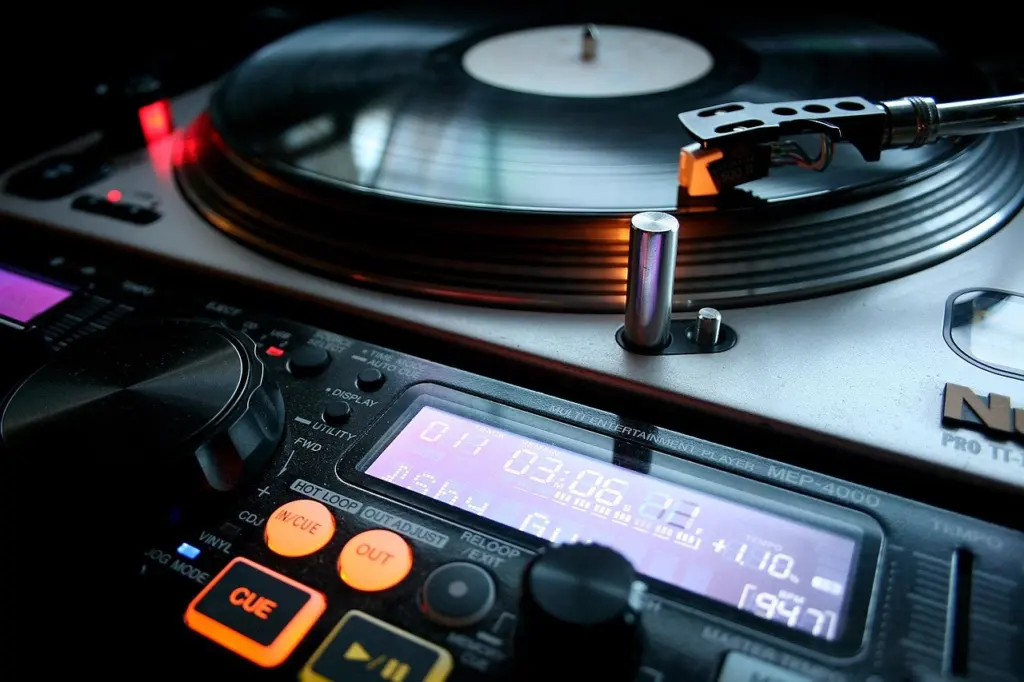
The platter is a convenient place to do the dry pass, provided it is stationary and the tonearm is clear. Keep the brush moving with the grooves, as in the routine above.
Once the record and stylus are clean, the amplification and speakers shape what you hear. Our comparison of Passive vs Powered Speakers: Which Is Right For Your Setup in 2026? – Soniqcast helps if you are deciding how to power your system. If you are weighing driver layouts, 2‑Way vs 3‑Way Speakers: How To Choose The Right Setup For Clearer Sound In 2026 – Soniqcast covers that side of the choice.
How often to clean records
Frequency depends on how often you play a record, so there is no single schedule. Two habits do most of the work:
- Dust every time: brush the record before and after each play for the best sound quality.
- Wet clean by use: do it regularly based on how much you play, or even before each play if the record has not been used for a while.
Listening is the best trigger. If you hear excessive crackles and pops, or the album sounds fuzzy, move from a dry brush to the full wet routine rather than brushing harder.
Storing records after cleaning
Store cleaned records upright, not flat. Laying a record flat causes warping over time, which undoes the care you have just taken. Keeping each disc in its anti-static inner sleeve means the surface starts every play as clean as you left it.
Frequently asked questions
Do new or second-hand records need cleaning before the first play?
Yes. A used record deserves a good cleaning when you first get it. A new record can benefit from a light clean to remove static electricity that sometimes hangs around after pressing.
How long does a record take to dry after wet cleaning?
Typically 10-15 minutes. Let it air dry completely in a dust-free environment, standing upright on a vinyl drying rack and away from direct sunlight or hair dryers.
Is a record cleaning machine worth buying?
For most home listeners, careful manual cleaning is enough. A deep-cleaning machine can cost over a grand, with the currency not stated, so it is likely best for serious collectors. A record washer requires a solution of distilled water and the cleaning fluid included with the kit.



Leave a Reply